


Por: Julian Do / ACoM
¿Qué hace que un medio de comunicación sea legítimo y merecedor de inversión? Esta pregunta es el eje de un creciente debate mientras California se prepara para lanzar su Programa de Medios Cívicos de 20 millones de dólares. La respuesta podría determinar si el fondo se convierte en un modelo a nivel nacional o en otra oportunidad perdida para servir a las comunidades que más lo necesitan.
California y Google han comprometido 10 millones de dólares cada uno al Fondo de Medios Cívicos , y la Oficina de Desarrollo Económico y Empresarial del Gobernador (GoBiz) se encargará de elaborar una fórmula de distribución equitativa. El dinero está destinado a fortalecer una industria periodística debilitada por la reducción de redacciones y las fusiones, consecuencias del control absoluto que ejerce la industria tecnológica sobre los ingresos publicitarios .
Antes incluso de que se distribuya el primer dólar, ha surgido una narrativa divisiva dentro del sector, que exige un número mínimo de periodistas —como criterio de elegibilidad—, lo que favorecería a las grandes empresas y a los medios tradicionales. Incluso con la propuesta de GoBiz de limitar el número de periodistas a 20 por medio, la distribución favorecería a los medios de mayor tamaño.
Evaluar las redacciones de esta manera es tremendamente ineficiente. Una sola subvención que apenas cubre el salario y las prestaciones de salud de un periodista veterano de un importante diario metropolitano representa un salto cualitativo en la capacidad informativa de una redacción étnica o comunitaria. Una inyección directa y modesta de capital permite a los medios locales, que publican en el idioma local, contratar periodistas con las conexiones comunitarias y las habilidades lingüísticas necesarias para superar las brechas de cobertura y confianza en todo el estado.
En su perspicaz análisis «¿ Qué se considera periodismo y quién lo decide? » , la ejecutiva de medios Jill Manuel señala que la industria de las noticias se aferra constantemente a definiciones arcaicas y excluyentes de lo que se considera información. Esta rígida adhesión a un control estructural ignora la evolución de la forma en que las personas consumen información fidedigna. Lo que hace que el periodismo sea relevante es cómo las noticias que produce informan e influyen en su audiencia.
Según ese criterio, el ecosistema de medios étnicos, comunitarios e hiperlocales de California ya está realizando un trabajo extraordinario.
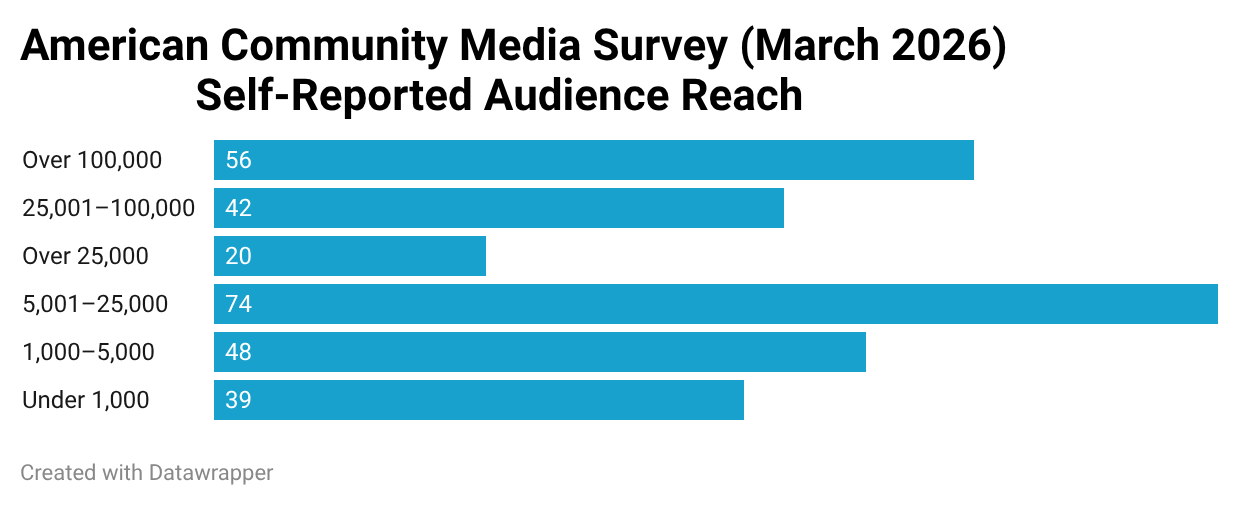
Una reciente encuesta informal realizada por American Community Media reveló que la red de medios de comunicación en lenguas indígenas y étnicas llega en conjunto a 20 millones de personas en el estado. Estas cifras son difíciles de ignorar e incluyen a comunidades con dominio limitado del idioma en zonas de difícil acceso del estado, que son las que más necesitan información cívica confiable.
Estos medios de comunicación poseen un capital social único y profundas raíces en la comunidad. Una sola noticia de uno de estos medios se difunde rápidamente a través de supermercados, iglesias, centros para personas mayores, clínicas comunitarias y grupos de WhatsApp. Medios como Indian Voices en San Diego, Al Enteshar en Los Ángeles, el Sacramento Observer, propiedad de personas afroamericanas , en la capital del estado, News for Chinese en San Francisco, Philippine News Today, que cubre el norte y el sur del estado, Hmong Daily News en el norte de California y El Latino Central Coast, representan la «última milla» de la infraestructura cívica de nuestro estado.
Los reportajes de los medios comunitarios explican los complejos cambios en los requisitos médicos estatales , reflejan la dinámica diaria de las comunidades inmigrantes, analizan el precio de los tomates en los supermercados y combaten la desinformación, que convierte a los miembros de estas mismas comunidades en blanco de odio y división . Este es el periodismo de servicio público en su forma más esencial.
En un momento en que la confianza pública en los medios de comunicación se ha estancado en un alarmante 32% en todos los grupos demográficos, la indecorosa disputa pública por este modesto fondo estatal, el primero de su tipo, envía un mensaje tóxico a las comunidades a las que servimos. Indica a un público ya escéptico que este pilar fundamental de la democracia se está desmoronando desde dentro, evidenciado no solo por una crisis publicitaria, sino por una lucha interna por el dinero en lugar de una misión compartida de servicio.
El Programa de Medios Cívicos de California tiene el potencial de convertirse en un modelo nacional para revitalizar la vida cívica de nuestro país. Pero para lograrlo, debemos mirar más allá de la cantidad de empleados corporativos y el prestigio histórico.
De cara al futuro, las prioridades de financiación deben basarse en una cobertura constante de las reuniones públicas, la información en zonas con escasa cobertura informativa y en comunidades largamente olvidadas, y la producción de noticias prácticas y útiles que impulsen la participación ciudadana y promuevan la seguridad pública.
El Fondo para los Medios Cívicos no es un juego de suma cero donde la ganancia de un sector implica la pérdida de otro. En cambio, debemos reenfocarnos por completo en el mandato de servicio público del estado. En este momento crucial, el sector periodístico debe encontrar la manera de unirse —con los cinco dedos firmemente cerrados en un puño poderoso— para defender a todos nuestros medios de comunicación, reporteros y personal de producción que realizan el arduo trabajo sobre el terreno, quienes merecen ser escuchados y representados.
Julian Do es codirector de American Community Media y miembro del Consejo Asesor del Programa de Medios Cívicos de California .
Jaya Padmanabhan, directora ejecutiva de American Community Media, colaboró en este artículo.
